July 3, 2026
The decision to remove a tree is significant and should not be taken lightly. Hiring a professional tree removal company ensures that the task is handled safely and efficiently. The gains from selecting a qualified service include not only peace of mind but also protection for your property. On the other hand, choosing the wrong company could lead to disastrous consequences, including property damage or personal injury. This article provides comprehensive guidance to assist you in making an informed choice for your needs.
Understanding Your Tree Removal Needs
Assessing the Scope of Work
Before reaching out to any company, it is crucial to understand the extent of work required. This involves evaluating the size, health, and location of the tree. Larger trees or those situated close to structures or power lines present additional challenges. Understanding these factors helps in communicating your needs effectively to prospective companies, ensuring you find the right tree care company for the specific job.
Often, people overlook elements like the tree's health, which could complicate removal. A diseased or dead tree, for instance, might necessitate different techniques and equipment. Furthermore, considering the impact on property aesthetics post-removal is essential. A well-executed tree removal should leave the site ready for future landscaping, if desired.
Identifying Potential Hazards
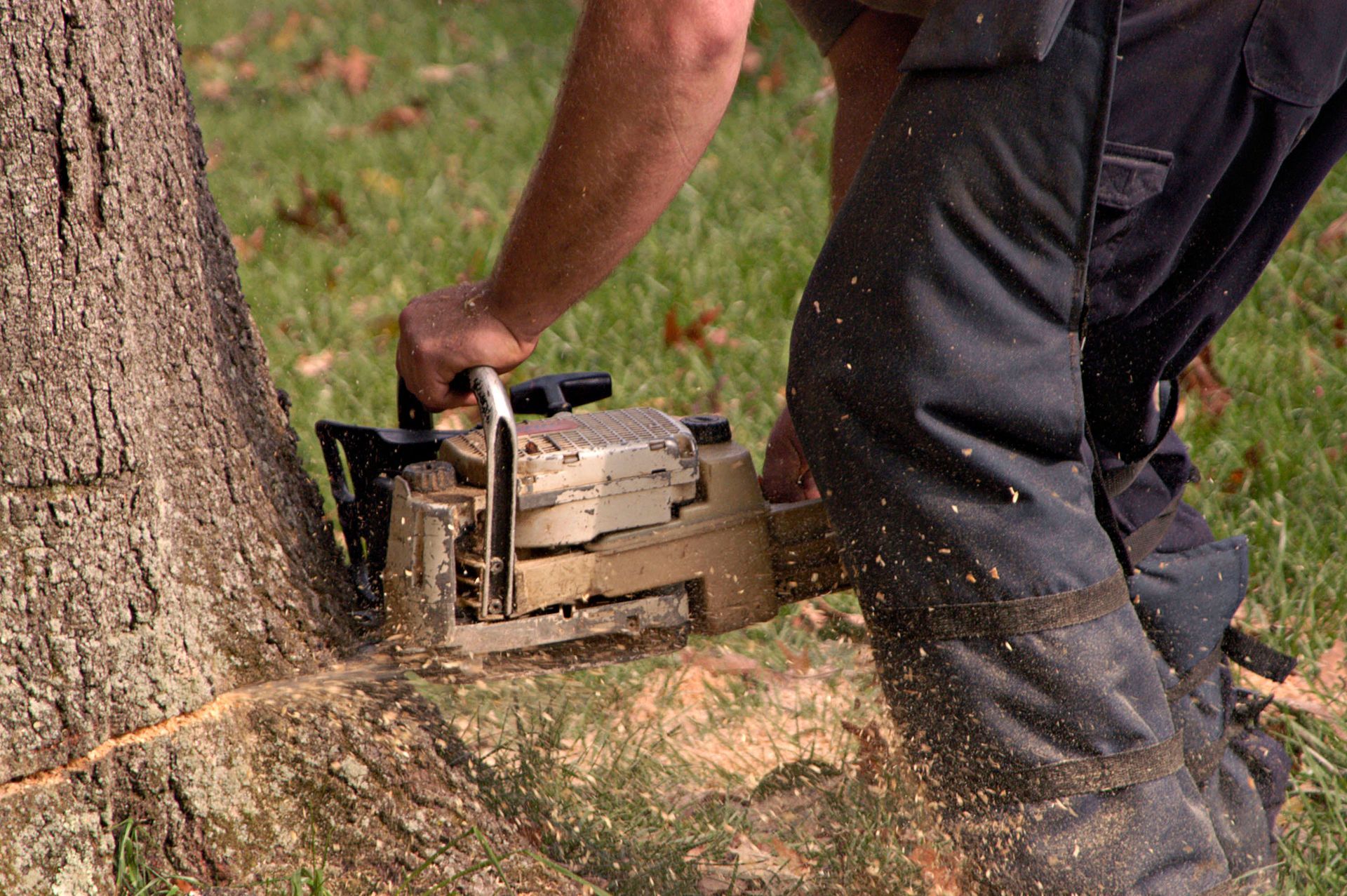
Evaluating the risks involved in tree removal is critical to safe practice. Trees close to buildings, fences, or utility lines pose significant hazards that require specialized removal techniques. These potential dangers necessitate hiring a company with the expertise to handle complex situations. According to Tree Rescue, tree removal and care is a booming $37 billion global service industry.
The importance of safety cannot be overstated, as tree removal involves inherent risks that professionals are trained to manage. Companies often perform a detailed risk assessment to plan operations safely. This includes identifying possible impacts to nearby structures and ensuring that the process does not endanger loved ones or passersby.
Considering the Future Landscape
When removing a tree, planning for the post-removal landscape is equally important. Consider how the removal impacts the overall aesthetic and functionality of your garden or yard. This may involve planning for new plantings or landscaping features to replace the lost tree. A reliable tree care company can often offer advice or additional landscaping services to help reimagine your green spaces.
Future planning also involves considering erosion control and soil health once a tree is removed. Trees often play a role in maintaining the ecological balance of your yard. Without them, issues such as soil erosion or reduced biodiversity might arise. Proper replacement with shrubs, other trees, or proper landscaping will ensure that wildlife habitats and bird nesting sites are preserved or enhanced.
Budget Constraints and Timeline
Budget plays a significant role in determining the feasible options available for tree removal services. Understanding cost implications and setting realistic financial parameters is essential. This involves considering not only the base price for removal but also any additional charges for stump grinding, debris removal, or post-removal landscaping. Transparency about your budget helps companies tailor their services to meet your financial constraints.
Assessing how soon the tree needs to be removed is also vital in the planning process. Certain situations, such as diseased trees or those damaging property, require immediate action. Aligning the urgency with a professional tree care company’s availability is crucial, especially in emergencies. Proactive planning for tree removal might afford you the luxury of choosing the right service provider, rather than the only one available.
Researching Potential Companies
Using Online Resources and Reviews
In today's digital age, the internet is a valuable tool for researching service providers. Start with localized searches to identify a potential tree care company in your vicinity. Company websites often provide essential information, including their service scope, testimonials, and credentials. Online directories and review platforms offer insights into a company's reputation and reliability.
Customer reviews are also integral in understanding the service quality and reliability of a business. Analyzing reviews gives a firsthand view of customer experiences, highlighting both positive and negative interactions. Reviews can reveal patterns in service delivery, such as timeliness, professionalism, and adherence to estimates. Negative reviews, while concerning, can also shed light on how companies handle complaints and rectify issues.
Requesting Recommendations and Checking Associations
Personal recommendations from trusted individuals can be invaluable when conducting your research. Friends, family, and neighbors who have experienced tree removal services offer real-world insights into local providers. These firsthand accounts provide details beyond what is found in online reviews, fostering more personal trust. Discussing their experiences can highlight both commendable service aspects and areas to avoid.
Professional associations also certify qualified and reputable service providers, providing industry benchmarks for quality and competence.
Organizations such as the International Society of Arboriculture (ISA) distinguish credible service providers. Being a member demonstrates that a tree care company is committed to adhering to industry standards and ongoing professional development. Membership also indicates the company's adherence to ethical practices and compliance with regulations.
Verifying Business Licenses and Insurance
Before selecting a provider, confirming their business legitimacy through licensing and insurance verification is crucial. A valid business license confirms legal authority to conduct tree removal operations in accordance with local regulations. Moreover, insurance safeguards against liabilities from potential damages or accidents incurred during the removal process. Request that companies provide proof of insurance coverage, ensuring protection for you and your property.
Evaluating Company Expertise and Equipment
Qualifications and Experience
Hiring a team with adequately qualified personnel brings a layer of expertise crucial to successful execution. Certified arborists, trained through reputable programs, bring knowledge critical in safely removing trees. Such credentials signify a profound understanding of tree biology, care standards, and removal techniques. When you choose a qualified tree care company, experienced professionals can preemptively manage tree-specific challenges, optimizing removal processes efficiently.
Equally vital is evaluating the company's commitment to continuous professional advancement. The industry demands adaptation to new tools and methodologies to maintain safety and efficiency. Confirming employee involvement in ongoing education and adherence to contemporary standards validates their professional investments. Qualified companies offer a high degree of assurance that safeguards client expectations and property integrity.
Quality and Range of Equipment
The spectrum of equipment utilized reflects a company's capability to manage projects efficiently across various scopes. Advanced, modern equipment ensures precision in tree removal, minimizing collateral property disturbance. Companies investing in industry-specific machinery signal a commitment to maintaining high operational standards. A professional tree care company that uses quality equipment facilitates safer removal processes, assuring reduced site impact.
Additionally, technology investments inform a company's environmental sensitivity and ability to comply with eco-friendly removal practices. The diversity of tools used often affects waste processing and recycling, reflecting adherence to sustainable methodologies. Evaluating company equipment profiles informs potential clients about realistic efficiency benchmarks in project execution. Suitable, updated tools address functional complexities, promising augmented service efficacy.
Safety Protocols and Environmental Responsibility
Well-established safety protocols are indispensable considerations when selecting a service provider. Identification and management of operational hazards allow companies to establish control measures that reduce accident probability. Effective implementation of standard operating procedures reflects a company's commitment to project reliability and employee well-being. Prioritizing proactive hazard assessment ensures unforeseen incidents remain minimal and manageable.
Ethical tree removal also underscores ecological preservation and restorative practices, which are vital amid rising environmental consciousness. Focus on selecting a tree care company that proactively addresses ecological impacts by adopting sustainable methodologies within operational frameworks. Look for environmental stewardship through recovery techniques, resource reuse, and impact minimization. Mitigation of ecological impact distinguishes responsible companies committed to principles of ecological preservation. For more information, contact Tommy Tree & Excavation.